
One live session a month
A ninety-minute session held once a month, covering a specific piece of the sustainable-routine puzzle in depth, from session structure to progress tracking.
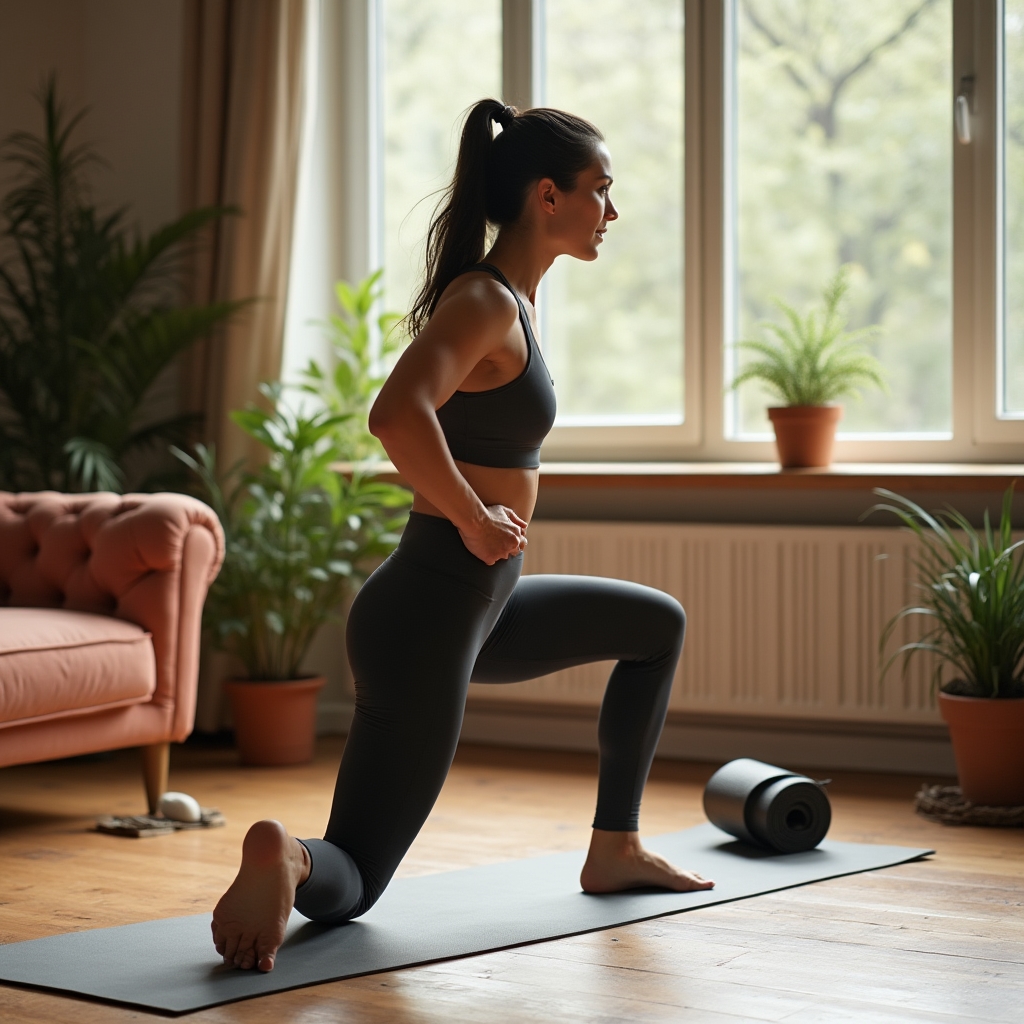
What actually happens after week three?
Varako runs a monthly, ninety-minute live webinar series on building a home workout routine that keeps going after the initial burst of enthusiasm runs out. No equipment. No personal training. Just a framework you can actually keep.
Why do most home workout routines quietly disappear by February?
Not because the programme was wrong. Usually because it was right in theory and impossible in practice. Enthusiasm builds a plan for the version of you with unlimited time and energy, then week three arrives and that version doesn't show up. Varako's webinar series looks at what happens in that gap, and what a routine has to look like to survive it.
Each monthly session runs for ninety minutes, live, with a fixed structure so you always know what to expect before you show up.
A ninety-minute session held once a month, covering a specific piece of the sustainable-routine puzzle in depth, from session structure to progress tracking.
Time is built into every session for participants to ask about their own week-to-week routine and get a direct, unscripted response during the call.
You leave with a way of thinking about training load, recovery and consistency you can apply on your own, rather than a plan that expires when the month does.
Is the perfect programme actually the enemy of progress?
Often, yes. A programme designed around ideal conditions, five sessions a week, an hour each, full equipment, tends to collapse the first time life gets in the way. A mediocre routine that only asks for three thirty-minute sessions gets repeated. It gets repeated in a busy week, a tired week, a week where nothing goes to plan. Repetition is what produces a result. A programme sitting unused in a notes app produces nothing, no matter how well it was designed.
This is the starting point for the entire webinar series: consistency at a lower intensity outperforms intensity that never happens.
Three thirty-minute sessions a week, arranged so strength, mobility and cardio all get covered without a single piece of equipment. The order changes slightly week to week, but the shape stays recognisable.
Bodyweight strength work built around pushing, pulling, hinging and squatting patterns, structured around effort rather than a fixed rep count.
Slower, controlled range-of-motion work for the joints that spend most of the week sitting still, plus breathing pace that lets the nervous system settle.
Interval-style bodyweight conditioning kept short enough that finishing it is realistic even at the end of a long day.
The liberating idea
What does minimum effective dose actually mean, and why is it such a relief?
It means the smallest amount of training that still produces a meaningful adaptation, not the largest amount you can theoretically tolerate. Once that becomes the target, a missed fourth session stops feeling like failure. Thirty minutes, three times a week, done consistently across months, moves someone further than an ambitious six-day plan attempted for two weeks and then abandoned. The webinar series spends real time on this idea because it removes the guilt that usually ends a routine.
How do you track progress without becoming obsessed with the numbers?
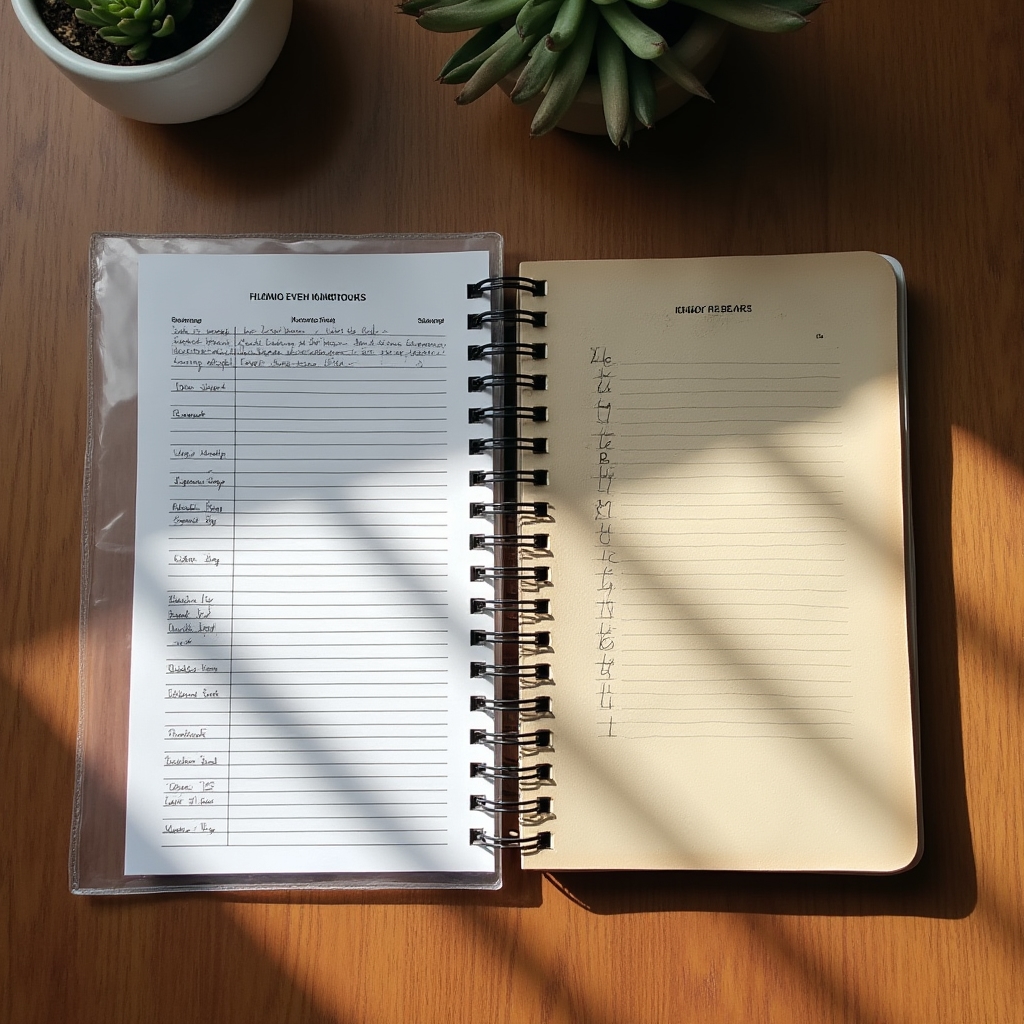
Numbers can motivate, and they can also become the reason a routine feels like a chore. The sessions cover a small set of low-effort markers, things like how a movement feels compared to four weeks earlier, whether a session got easier to start, or how consistently it actually happened, rather than daily weigh-ins or rep-count spreadsheets.
Tracking is treated as a monthly check-in, not a daily performance review.


What's actually happening when a habit sticks, and when it doesn't?
Behavioural science describes habits as a loop: a cue, a routine, and a reward, repeated until the behaviour needs less conscious effort to start. Motivation is unreliable because it's a feeling, and feelings change day to day. A cue that doesn't depend on feeling motivated, like a fixed time slot or a specific piece of clothing, tends to hold up better over months.
These frameworks are explained as general concepts during the sessions. They are not personal coaching, and no session prescribes an individual training plan.
The webinar series is hosted live online, run out of our small St. Louis office where session planning and behavioural research for the programme happens.
Session topics and dates are published on the workshops page each month, with no obligation attached to reading them.
View Session Dates